
文章目录
- 请查看之前的帖子:https://ost.51cto.com/posts/12287
- 每当我们学习一门新的语言时,所有的入门教程官方都会提供一个典型的例子——“Hello World”。而在机器学习中,入门的例子称之为MNIST。 MNIST是一个简单的视觉计算数据集,它是像下面这样手写的数字图片: MNIST 经常被用来做为分类任务的入门数据库使用。在这个简单的例子里面,我们也用它来试试数据归类。
- 移植NNOM库的方法,在之前已经有说明。 $(wildcard $(LIBPATH)/nnom/src/backends/*.c) \$(wildcard $(LIBPATH)/nnom/src/core/*.c) \$(wildcard $(LIBPATH)/nnom/src/layers/*.c) \ 同时移植了mnist-simple下面的两个.h文件。 #include "lib/nnom/examples/mnist-simple/image.h"#include "lib/nnom/examples/mnist-simple/weights.h" 核心的几个函数。 const char codeLib[] = "@B%8&WM#*oahkbdpqwmZO0QLCJUYXzcvunxrjft/\\|()1{}[]?-_+~<>i!lI;:,\"^`'. ";void print_img(int8_t * buf){ for(int y = 0; y < 28; y++) { for (int x = 0; x < 28; x++) { int index = 69 / 127.0 * (127 - buf[y*28+x]); if(index > 69) index =69; if(index < 0) index = 0; DEBUG_printf("%c",codeLib[index]); DEBUG_printf("%c",codeLib[index]); } DEBUG_printf("\n"); }}// Do simple test using image in "image.h" with model created previously. void mnist(int index){ uint32_t tick, time; uint32_t predic_label; float prob; DEBUG_printf("\nprediction start.. \n"); tick = hi_get_milli_seconds(); // copy data and do prediction memcpy(nnom_input_data, (int8_t*)&img[index][0], 784); nnom_predict(model, &predic_label, &prob); time = hi_get_milli_seconds() - tick; //print original image to console print_img((int8_t*)&img[index][0]); DEBUG_printf("Time: %d tick\n", time); DEBUG_printf("Truth label: %d\n", label[index]); DEBUG_printf("Predicted label: %d\n", predic_label); DEBUG_printf("Probability: %d%%\n", (int)(prob*100));}void nn_stat(){ model_stat(model); printf("Total Memory cost (Network and NNoM): %d\n", nnom_mem_stat());}
- 我是在Micropython下使用的,其实主要的几个函数,如下,可以自行移植测试。 STATIC mp_obj_t machine_ai_nnom_test(mp_obj_t self_in,mp_obj_t data_in) { int num = mp_obj_get_int(data_in); // create and compile the model model = nnom_model_create(); // dummy run model_run(model); mnist(num); nn_stat(); return mp_const_none;} 不同的num值,代表候选的要识别的数字的字节图。比如8,存储的字节符合是这样的。 因为不方便输入手写数字,只能通过这种字符的形式进行测试。
- 这是比较简单的例子,对系统的要求的比较低,识别的时间也很短。同时,也可以自己训练模型,进行分析。但该部分不是本文的重点,敢兴趣的同学,可以自行去github上,进行深入的学习。下一篇,会针对KWS的功能测试,实现实时音频输入关键词识别的demo的移植和演示。 想了解更多关于开源的内容,请访问: 51CTO 开源基础软件社区 https://ost.51cto.com。

请查看之前的帖子:https://ost.51cto.com/posts/12287
每当我们学习一门新的语言时,所有的入门教程官方都会提供一个典型的例子——“Hello World”。而在机器学习中,入门的例子称之为MNIST。
MNIST是一个简单的视觉计算数据集,它是像下面这样手写的数字图片:
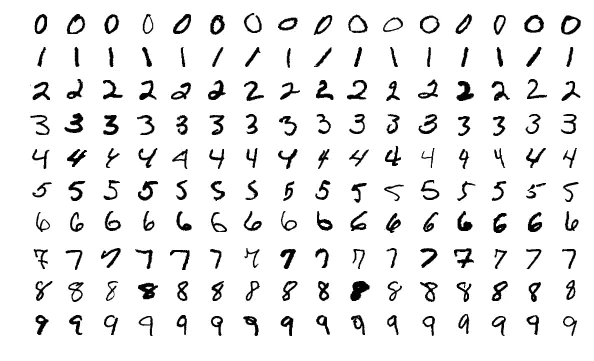
MNIST 经常被用来做为分类任务的入门数据库使用。在这个简单的例子里面,我们也用它来试试数据归类。
移植NNOM库的方法,在之前已经有说明。
$(wildcard $(LIBPATH)/nnom/src/backends/*.c) \
$(wildcard $(LIBPATH)/nnom/src/core/*.c) \
$(wildcard $(LIBPATH)/nnom/src/layers/*.c) \
同时移植了mnist-simple下面的两个.h文件。
#include "lib/nnom/examples/mnist-simple/image.h"
#include "lib/nnom/examples/mnist-simple/weights.h"
核心的几个函数。
const char codeLib[] = "@B%8&WM#*oahkbdpqwmZO0QLCJUYXzcvunxrjft/\\|()1{}[]?-_+~<>i!lI;:,\"^`'. ";
void print_img(int8_t * buf)
{
 for(int y = 0; y < 28; y++)
 {
 for (int x = 0; x < 28; x++)
 {
 int index = 69 / 127.0 * (127 - buf[y*28+x]);
 if(index > 69) index =69;
 if(index < 0) index = 0;
 DEBUG_printf("%c",codeLib[index]);
 DEBUG_printf("%c",codeLib[index]);
 }
 DEBUG_printf("\n");
 }
}
// Do simple test using image in "image.h" with model created previously.
void mnist(int index)
{
 uint32_t tick, time;
 uint32_t predic_label;
 float prob;
 DEBUG_printf("\nprediction start.. \n");
 tick = hi_get_milli_seconds();
 // copy data and do prediction
 memcpy(nnom_input_data, (int8_t*)&img[index][0], 784);
 nnom_predict(model, &predic_label, &prob);
 time = hi_get_milli_seconds() - tick;
 //print original image to console
 print_img((int8_t*)&img[index][0]);
 DEBUG_printf("Time: %d tick\n", time);
 DEBUG_printf("Truth label: %d\n", label[index]);
 DEBUG_printf("Predicted label: %d\n", predic_label);
 DEBUG_printf("Probability: %d%%\n", (int)(prob*100));
}
void nn_stat()
{
 model_stat(model);
 printf("Total Memory cost (Network and NNoM): %d\n", nnom_mem_stat());
}
我是在Micropython下使用的,其实主要的几个函数,如下,可以自行移植测试。
STATIC mp_obj_t machine_ai_nnom_test(mp_obj_t self_in,mp_obj_t data_in) {
 int num = mp_obj_get_int(data_in);
 // create and compile the model
 model = nnom_model_create();
 // dummy run
 model_run(model);
 mnist(num);
 nn_stat();
 return mp_const_none;
}
不同的num值,代表候选的要识别的数字的字节图。比如8,存储的字节符合是这样的。
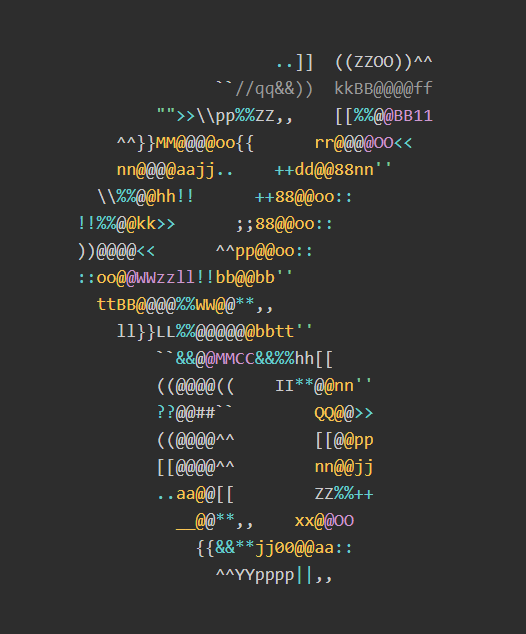
因为不方便输入手写数字,只能通过这种字符的形式进行测试。
这是比较简单的例子,对系统的要求的比较低,识别的时间也很短。同时,也可以自己训练模型,进行分析。但该部分不是本文的重点,敢兴趣的同学,可以自行去github上,进行深入的学习。下一篇,会针对KWS的功能测试,实现实时音频输入关键词识别的demo的移植和演示。
© 版权声明
文章版权归作者所有,未经允许请勿转载。